
Building a Spirits Brand That Feels Collectable, Not Promotional
PPREMIUM DRINKS BRANDING AGENCY
The most successful spirits brands do not behave like FMCG products. They behave like artefacts.
In a saturated alcohol market, collectability has become the real differentiator. Shelves are crowded. Back bars are competitive. New launches appear weekly. In this environment, visibility alone is not enough. The brands that endure are not chasing attention, they are cultivating desire. They do not ask to be tried; they assume they belong.
To build a spirits brand that feels collectable rather than promotional requires a shift in mindset. It means moving away from short-term sales tactics and toward long-term cultural positioning.

From Product to Object of Desire
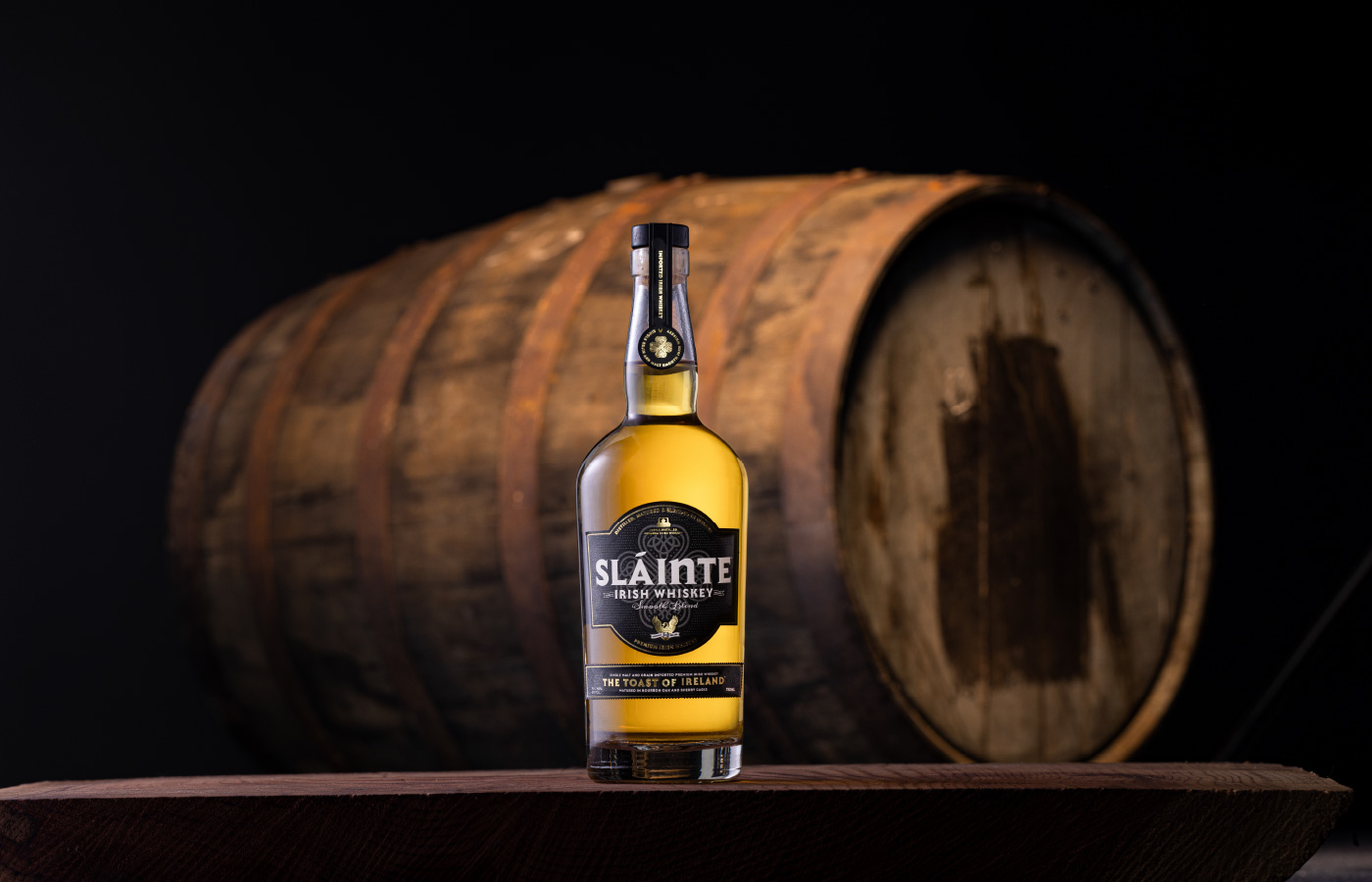
Collectable spirits brands share distinct characteristics. Their packaging feels permanent rather than seasonal. Materials are considered and tactile. Bottle weight carries presence. Labels are restrained. Nothing feels hurried or trend-led.
Their visual language is often rooted in culture, provenance or ritual rather than marketing claims. Photography feels editorial, sometimes cinematic, often understated. The brand does not overshare. It implies depth rather than explaining every detail.
This is intentional. Collectability thrives on mystery, scarcity and narrative tension. When a brand over-explains or over-promotes, it reduces perceived value.
Why Over-Promotion Erodes Premium Positioning
Discount-led messaging, loud claims and excessive tasting notes are the fastest way to undermine authority. In premium categories, noise signals insecurity. Confidence, by contrast, is quiet.
Premium spirits brands understand that restraint communicates status. Limited releases feel intentional. Language is measured. The brand does not shout about awards or flavour complexity; it allows the product experience and cultural alignment to speak for itself.
This is where many emerging drinks brands falter. They adopt luxury aesthetics but retain promotional behaviour. The result is a brand that looks premium yet feels transactional.
A credible premium drinks branding agency approaches spirits differently. Positioning comes first. Who is the brand for? Where does it belong culturally? What does it reject? Only when these foundations are clear should visual identity and packaging design be developed.
Designing for Refined Environments
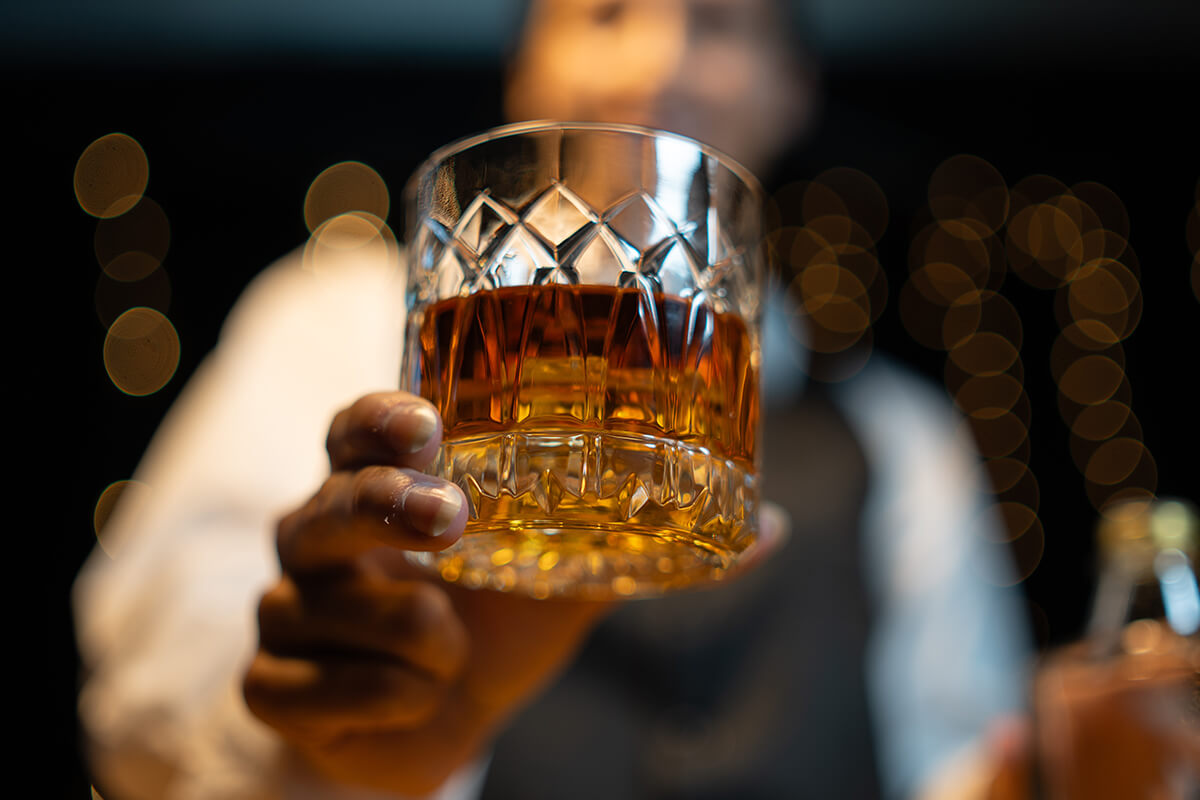
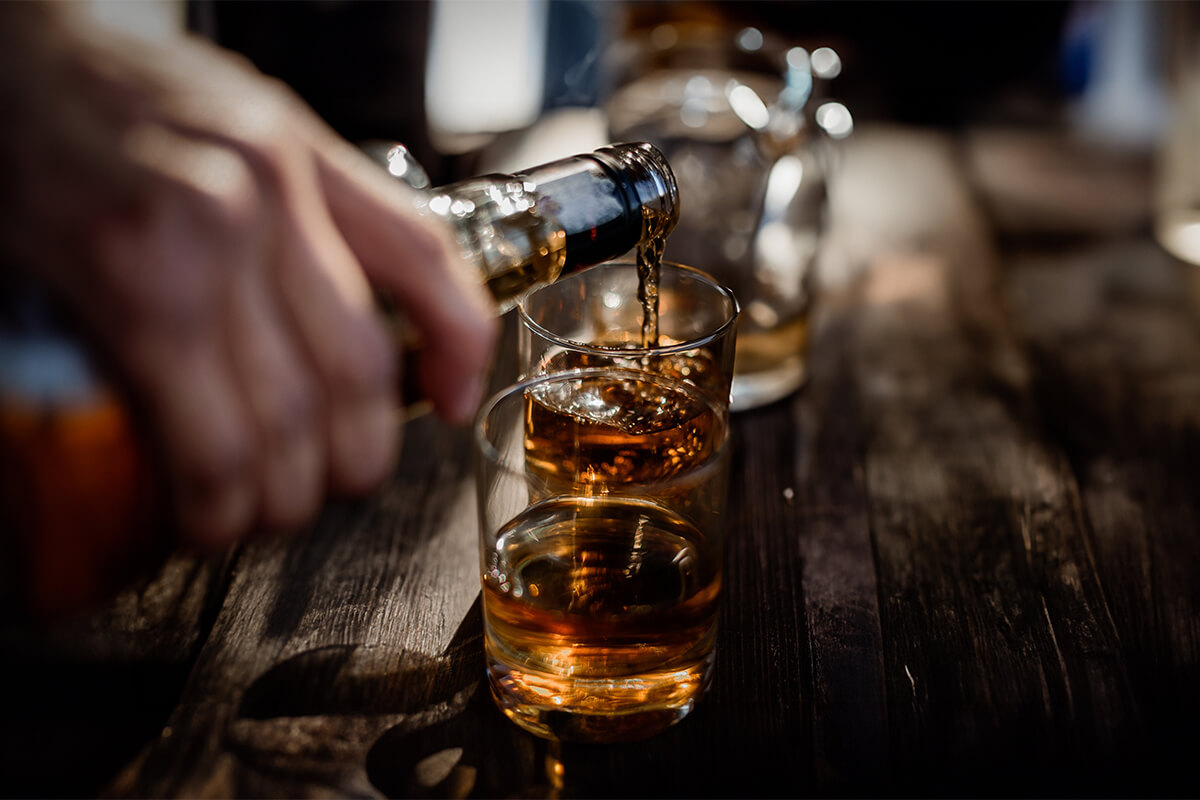
At Riley & Thomas, spirits brands are designed to live comfortably in refined environments — back bars, private collections, luxury hotels and members’ clubs. The question is not simply how the bottle looks on a website, but how it sits alongside established icons.
Bottle form, typography, embossing, closures and secondary packaging are considered as carefully as the brand narrative itself. Every detail contributes to perceived permanence.
We treat spirits branding as world-building. The product must feel as though it already belongs within a certain cultural space. When that alignment is achieved, collectability follows naturally.
Perception Is the Product
In alcohol branding, perception is not a layer applied after production. It is the product.
Consumers do not collect liquid alone. They collect meaning, taste, affiliation and aesthetic coherence. The brands that command loyalty and margin are those that understand this from the outset, something a premium drinks branding agency must design into the brand from day one.
If you are launching or repositioning a premium drinks brand, explore our spirits branding and packaging design services to see how we build collectable brands with depth, restraint and long-term value as a premium drinks branding agency.