
Designing Brand Worlds for Hotels, Retreats and Destinations
LUXURY HOTEL BRANDING
The most successful hospitality brands do not sell rooms. They sell as a state of mind.
In luxury hospitality, the product is not simply a bed, a suite or a location. It is a feeling, of calm, indulgence, escapism, intimacy or cultural immersion. The role of branding is to shape and protect that feeling at every touchpoint.
This is why luxury hotel branding must go far beyond logos and websites. It is about building a cohesive world that guests step into long before arrival and carry with them long after departure.
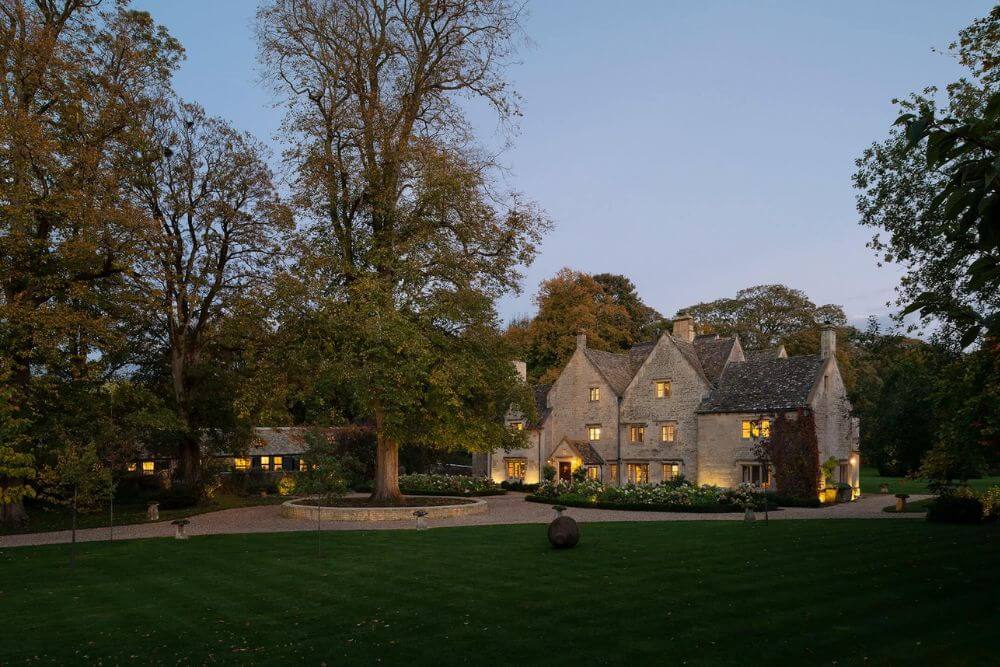

A Brand Experienced Before Arrival
Today’s guest encounters a hotel brand months before they ever step through its doors. They see it on Instagram. They explore its website. They read reviews. They receive confirmation emails. They interact with pre-arrival concierge services. Each of these moments shapes expectation.
If the website feels refined but the booking journey feels generic, something fractures. If the interiors promise minimal serenity but the tone of voice is overly promotional, trust erodes. In luxury hotel branding, coherence is everything.
Guests may not consciously analyse these inconsistencies, but they feel them. And in high-end hospitality, feeling is the metric that matters most.
Architecture, Interiors and Identity Must Align
Strong destination brands are built on alignment. Architecture, interior design, photography, typography, uniforms, menus and scent all contribute to a unified narrative. When these elements operate independently, the experience becomes fragmented. When they operate as one system, the brand becomes immersive.
Effective luxury hotel branding ensures that the digital presence reflects the physical environment. A tranquil retreat should not have a visually chaotic website. A bold, design-led urban hotel should not communicate in a timid tone. Every detail reinforces a single emotional promise.
At Riley & Thomas, we treat destinations as worlds rather than assets. We consider how a guest first discovers the property, how they feel upon arrival, how they move through spaces, and how the brand lingers in memory after departure.


From Property to Cultural Positioning
The most successful hotels do not position themselves solely by location or amenities. They position themselves culturally.
Are they for the discreet traveller who values privacy and understatement? For the creative community seeking inspiration? For the indulgent guest looking for sensory richness? For the wellness-focused visitor prioritising restoration?
Luxury hotel branding must answer these questions clearly. When positioning is vague, marketing becomes broad and diluted. When positioning is precise, the right guests recognise themselves immediately.
This clarity also protects pricing power. Hotels that feel culturally distinct are less likely to compete on discounting. Their value is perceived, not explained.
Designing for Memory and Return
Hospitality branding does not end at check-out. The brands that endure are those that remain present in memory.
This is achieved through consistency and emotional resonance. Photography that captures atmosphere rather than just architecture. Language that reflects a defined worldview. Printed materials that feel considered. Digital touchpoints that feel calm and intuitive.
In refined hospitality environments, even silence communicates. Space, pacing and restraint signal confidence. Over-designed materials or excessive messaging can disrupt the sense of composure that luxury guests expect.
Luxury hotel branding, when executed holistically, creates a seamless narrative from first impression to farewell.
Building Worlds, Not Campaigns
Too often, hospitality marketing focuses on seasonal campaigns rather than long-term brand architecture. Campaigns may drive short-term occupancy, but world-building drives loyalty.
At Riley & Thomas, we approach hospitality branding strategically. We define the emotional core of the destination first, what it stands for, who it serves and what it deliberately excludes. From there, visual identity, tone of voice and digital design are developed to support that singular vision. The result is a destination brand that feels inevitable rather than constructed.
If you are launching or repositioning a hospitality brand, explore our destination branding and website design services to see how we build immersive brand worlds through considered, confident luxury hotel branding.